
Two Mountaineers in Mountain

Why Rucking is the Ultimate Training Tool

There’s a training method that’s been hiding in plain sight for decades. Military units have used it to build unbreakable endurance. Special forces rely on it for functional strength. Elite hikers swear by it for trek preparation.

Yet most people preparing for major treks have never heard of it.

The method is called rucking, and it might be the single most effective way to prepare your body for the specific demands of mountain terrain. While everyone else is trying to piece together cardio sessions, strength training, and hiking practice into separate workouts, rucking combines all three into one incredibly efficient training system.

If you’re serious about arriving at your next trek truly prepared, it’s time to discover why rucking has become the secret weapon of successful trekkers worldwide.

What Exactly Is Rucking?

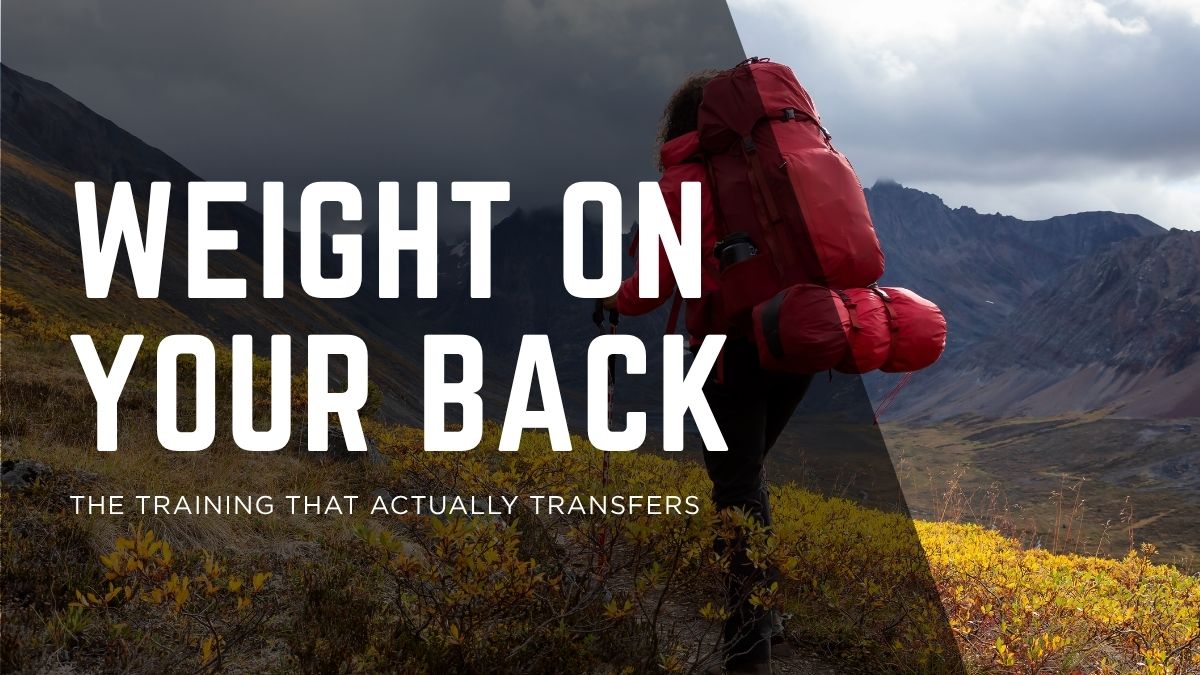
Rucking is deceptively simple: walking or hiking while carrying a weighted backpack (called a “ruck” in military terminology). That’s it. No complex movements, no expensive equipment, no gym membership required.

But don’t let the simplicity fool you. This basic activity creates training adaptations that are remarkably specific to what you’ll actually face on mountain terrain.

When you ruck, you’re simultaneously training:

  • Cardiovascular endurance under load
  • Functional strength in hiking-specific patterns
  • Postural stability with pack weight
  • Mental resilience through sustained effort
  • Movement efficiency on varied terrain

No other single training method delivers this comprehensive preparation for trekking demands.

The Problem Most Trekkers Face

Traditional trek preparation looks something like this: cardio sessions on the treadmill, strength training in the gym, weekend hikes when weather permits, and maybe some stair climbing thrown in for good measure.

Each component addresses part of what you need, but they’re all disconnected. Your body learns to be strong in the gym, fit on the cardio machines, and coordinated on hiking trails, but it never learns to integrate all these capabilities while managing the specific challenge of carrying weight for extended periods.

This fragmented approach creates a gap between your training and the reality of multi-day trekking. When you finally put on a loaded pack and start walking for hours at a time, your body has to figure out how to coordinate systems that have never worked together under these specific conditions.

Rucking eliminates this gap entirely.

Why Rucking Works So Well for Trek Preparation

The magic of rucking lies in its specificity. You’re literally practicing the exact movement pattern and loading conditions you’ll experience on your actual trek.

Cardiovascular Training That Translates

When you ruck, your heart rate elevates to the same zones you’ll experience while hiking uphill with a pack. Unlike running or cycling, which can build impressive cardiovascular numbers that don’t translate to loaded hiking, rucking builds endurance that directly transfers to trail performance.

Your body learns to efficiently deliver oxygen to working muscles while managing the postural demands of carrying weight. This creates the specific type of cardiovascular fitness that mountain terrain demands.

Strength Training in Context

Every step while rucking is essentially a functional strength exercise. Your legs are working against resistance (the pack weight) through hiking-specific movement patterns. Your core is constantly engaged to maintain posture. Your shoulders and back are adapting to carrying load.

Unlike isolated gym exercises, this strength development happens in the exact context you’ll need it. Your body learns to generate and sustain force while walking, not while lying on a bench or sitting at a machine.

Progressive Loading Made Simple

One of the biggest challenges in trek preparation is learning to handle pack weight gradually. Many trekkers make the mistake of jumping from training with no weight to suddenly carrying their full trek load.

Rucking allows for perfect progressive overload. You can start with minimal weight and gradually increase load over weeks and months, allowing your body to adapt systematically to the demands of carrying weight.

The Hidden Benefits Nobody Talks About

Beyond the obvious physical preparation, rucking delivers several benefits that aren’t immediately apparent but become crucial during actual treks.

Mental Conditioning for Sustained Effort

Long treks aren’t just physical challenges, they’re mental endurance tests. The ability to maintain focus and positive attitude while managing discomfort for hours at a time often determines success more than raw fitness levels.

Rucking builds this mental resilience naturally. Every session requires pushing through the urge to quit, managing the discomfort of carrying weight, and maintaining good form when fatigue sets in. These are exactly the mental skills you’ll need when you’re five days into a trek and still have five days to go.

Joint Adaptation and Injury Prevention

Your joints, tendons, and ligaments need time to adapt to the repetitive stress of loaded walking. This adaptation can’t be rushed and can’t be replicated through other training methods.

Regular rucking allows these tissues to gradually strengthen and adapt to the specific stresses they’ll face during extended trekking. This progressive adaptation is one of the most effective forms of injury prevention available to trekkers.

Movement Efficiency Under Load

Walking with a pack requires subtle adjustments to your gait, posture, and balance. These adjustments need to become automatic rather than conscious corrections you have to think about.

The more time you spend rucking, the more efficiently your body learns to move with weight. By the time you reach your actual trek, carrying a pack feels natural rather than awkward or tiring.

How Rucking Compares to Other Training Methods

Let’s be honest about how rucking stacks up against other popular preparation methods:

Vs. Running: Running builds impressive cardiovascular fitness but doesn’t prepare you for the postural demands of carrying weight. The movement patterns and muscle recruitment are different enough that running fitness doesn’t translate directly to loaded hiking performance.

Vs. Gym Training: Traditional strength training builds muscle but often in isolation and without the endurance component that trekking demands. You might get stronger, but not in the specific ways that mountain terrain requires.

Vs. Unloaded Hiking: Regular hiking is great practice for movement patterns and terrain familiarity, but it doesn’t prepare your body for the additional challenge of carrying weight for extended periods.

Vs. Stair Climbing: Stairs provide good cardiovascular challenge and leg strengthening, but they lack the varied terrain, sustained duration, and loading conditions of actual trekking.

Rucking combines the best elements of all these methods while eliminating their limitations.

The Military Connection: Why This Works

Rucking isn’t a new fitness trend. It’s been the cornerstone of military conditioning for generations because it works. Military personnel need to be able to carry heavy loads over long distances in challenging conditions while maintaining operational effectiveness.

The physical and mental demands of military operations are remarkably similar to the demands of serious trekking. Both require:

  • Sustained endurance under load
  • Mental resilience through discomfort
  • Functional strength in real-world conditions
  • The ability to maintain performance when fatigued

Military training programs have refined rucking protocols over decades of real-world testing. The methods that have proven most effective for building operational readiness are the same methods that build trek readiness.

Getting Started: The Right Way vs. The Wrong Way

Like any training method, rucking can be incredibly effective or potentially harmful depending on how you approach it.

The Wrong Way: Loading up a heavy pack and trying to cover long distances immediately. This approach leads to overuse injuries, poor movement patterns, and burnout.

The Right Way: Starting with manageable weight and distance, focusing on good form, and progressing systematically over time.

The key is understanding that rucking is a skill that needs to be developed gradually. Your body needs time to adapt to the unique demands of loaded walking, and rushing this process defeats the purpose.

Progressive Loading Principles

Successful rucking follows the same progressive overload principles as any effective training program. You can increase challenge through three variables:

  • Weight carried (start light, add gradually)
  • Distance covered (build endurance systematically)
  • Terrain difficulty (progress from flat to hills to technical terrain)

The most effective approach focuses on one variable at a time rather than trying to increase everything simultaneously.

Form and Technique Considerations

Good rucking technique isn’t complicated, but it matters. Poor form leads to discomfort, inefficiency, and potential injury.

Key technical points include:

  • Pack fit and loading (weight distributed properly)
  • Posture maintenance (avoiding the forward lean that pack weight encourages)
  • Gait adjustments (slightly shorter steps, consistent pace)
  • Breathing patterns (rhythmic breathing matched to steps)

These techniques need to become automatic, which only happens through consistent practice.

Sample Rucking Progression: From Beginner to Trek-Ready

Here’s a practical 8-week progression that takes you from rucking beginner to someone ready for serious trek demands:

Weeks 1-2: Foundation Building

  • Weight: 10-15 lbs (use books, water bottles, or light gear)
  • Distance: 2-3 miles
  • Frequency: 2x per week
  • Terrain: Flat surfaces, neighborhood walks
  • Focus: Getting used to carrying weight, establishing good posture

Weeks 3-4: Load Adaptation

  • Weight: 15-20 lbs
  • Distance: 3-4 miles
  • Frequency: 2-3x per week
  • Terrain: Gentle hills, park trails
  • Focus: Building endurance with load, maintaining consistent pace

Weeks 5-6: Intensity Building

  • Weight: 20-25 lbs
  • Distance: 4-5 miles
  • Frequency: 3x per week
  • Terrain: Moderate hills, varied surfaces
  • Focus: Sustained effort, hill climbing with pack

Weeks 7-8: Trek-Specific Conditioning

  • Weight: 25-30 lbs (closer to actual trek weight)
  • Distance: 5-6 miles
  • Frequency: 3-4x per week
  • Terrain: Challenging hills, uneven surfaces when possible
  • Focus: Simulating trek conditions, back-to-back days

Key Progression Rules:

  • Increase only one variable (weight, distance, or frequency) per week
  • If you experience pain (not muscle fatigue), back off and progress more slowly
  • Practice with the actual pack and gear you’ll use on your trek
  • Include one longer session per week to build endurance

This progression is integrated into our systematic approach that combines rucking with complementary strength and cardiovascular training for complete trek preparation.

The Integration Factor: Why This Matters More Than You Think

One of the biggest advantages of rucking is how perfectly it integrates with other aspects of trek preparation. Unlike training methods that compete for time and energy, rucking enhances and supports other preparation elements.

Gear Testing Integration: Every rucking session is an opportunity to test and refine your gear setup. You can experiment with pack loading, try different clothing systems, and identify issues before they become problems on your actual trek.

Navigation Practice: Rucking provides perfect opportunities to practice navigation skills, route planning, and terrain assessment without the pressure of being in remote locations.

Nutrition Timing: You can use rucking sessions to practice your fueling strategy, testing what foods work best and when you need to eat to maintain energy levels.

Recovery Protocols: Post-rucking recovery gives you chances to practice the stretching, hydration, and rest strategies you’ll use during your actual trek.

This integration means your rucking time serves multiple preparation purposes simultaneously, making your overall preparation more efficient and effective.

The Results: What to Expect

Trekkers who incorporate systematic rucking into their preparation report remarkably consistent benefits:

Physical Improvements:

  • Significantly less fatigue during the first days of their trek
  • Better posture and less back pain while carrying packs
  • Improved stability and confidence on uneven terrain
  • Enhanced endurance for long hiking days

Mental Benefits:

  • Greater confidence in their preparation and abilities
  • Better ability to maintain positive attitude during challenging sections
  • Improved focus and mental endurance for long days
  • Enhanced enjoyment of the overall trek experience

These outcomes are based on feedback from over 2,800 trekkers who completed our systematic 8-week preparation program, which incorporates progressive rucking as a core component.

The most common feedback we hear: “I felt prepared for what the trek actually demanded, not just generically fit.”

Common Mistakes That Limit Results

Despite its simplicity, there are several ways people go wrong with rucking that limit their results or create problems:

Mistake 1: Starting Too Heavy, Too Fast Enthusiasm leads people to load up heavy packs immediately. This overwhelms the body’s ability to adapt and often leads to overuse injuries or burnout.

Mistake 2: Ignoring Progressive Overload
Some people find a comfortable weight and distance combination and stick with it indefinitely. Without progressive challenge, adaptation stops and preparation becomes insufficient.

Mistake 3: Focusing Only on Distance or Speed Rucking isn’t about covering ground as fast as possible. It’s about building the specific adaptations that trekking demands. Quality of movement and consistency matter more than impressive pace or mileage numbers.

Mistake 4: Neglecting Recovery Rucking is demanding training that requires adequate recovery. People who ruck daily without rest often plateau or develop overuse issues.

Mistake 5: Poor Pack Setup Using the wrong pack, loading it incorrectly, or ignoring fit issues turns rucking into an exercise in managing discomfort rather than building useful fitness.

Why Most Trekkers Never Discover This

Given how effective rucking is for trek preparation, why don’t more people use it? Several factors contribute to its relative obscurity in civilian fitness circles:

Lack of Awareness: Most fitness information focuses on gym-based training or running. Rucking exists in the gap between military training and civilian fitness, so it rarely gets covered in mainstream fitness media.

Simplicity Bias: In a fitness culture obsessed with complex programs and advanced techniques, the simplicity of rucking makes it seem too basic to be effective.

Equipment Confusion: People assume they need special military gear or expensive equipment to start rucking, when basic hiking gear works perfectly fine.

No Clear Guidance: Unlike running or gym training, there’s limited information about how to start rucking safely and progress effectively.

The trekkers who discover rucking often do so accidentally or through military connections. Those who incorporate it systematically into their preparation consistently report better outcomes than those who don’t.

The Bottom Line: Why This Changes Everything

If you’re preparing for any serious trek, the question isn’t whether you should include rucking in your training. The question is whether you can afford not to.

No other single training method so closely replicates the specific demands of mountain trekking. No other approach so efficiently builds the exact capabilities you’ll need while also serving as a platform for testing gear, practicing skills, and building mental resilience.

Whether you’re planning Everest Base Camp, Kilimanjaro, the Inca Trail, or any other challenging trek, the principles remain the same: specific preparation leads to better outcomes.

The difference between trekkers who struggle and those who thrive often comes down to this level of preparation specificity. Generic fitness might get you through, but specific preparation lets you truly enjoy the experience.

Your Next Steps

Ready to discover why serious trekkers consider rucking their secret weapon? The most effective approach combines systematic rucking with complementary training methods that address all aspects of trek preparation.

This integrated approach is exactly what our Complete Trek Preparation Guide covers in detail, and what our 8-week Beginner Trekking Fitness Plan implements systematically.

Don’t prepare for your next adventure with methods that only partly address what you’ll actually face. Choose the training approach that builds exactly the capabilities mountain terrain demands.

Your summit is waiting. Make sure your preparation is specific enough to get you there strong.

Leave a Reply

Your email address will not be published. Required fields are marked *

100% Secure Checkout

PayPal / MasterCard / Visa
