
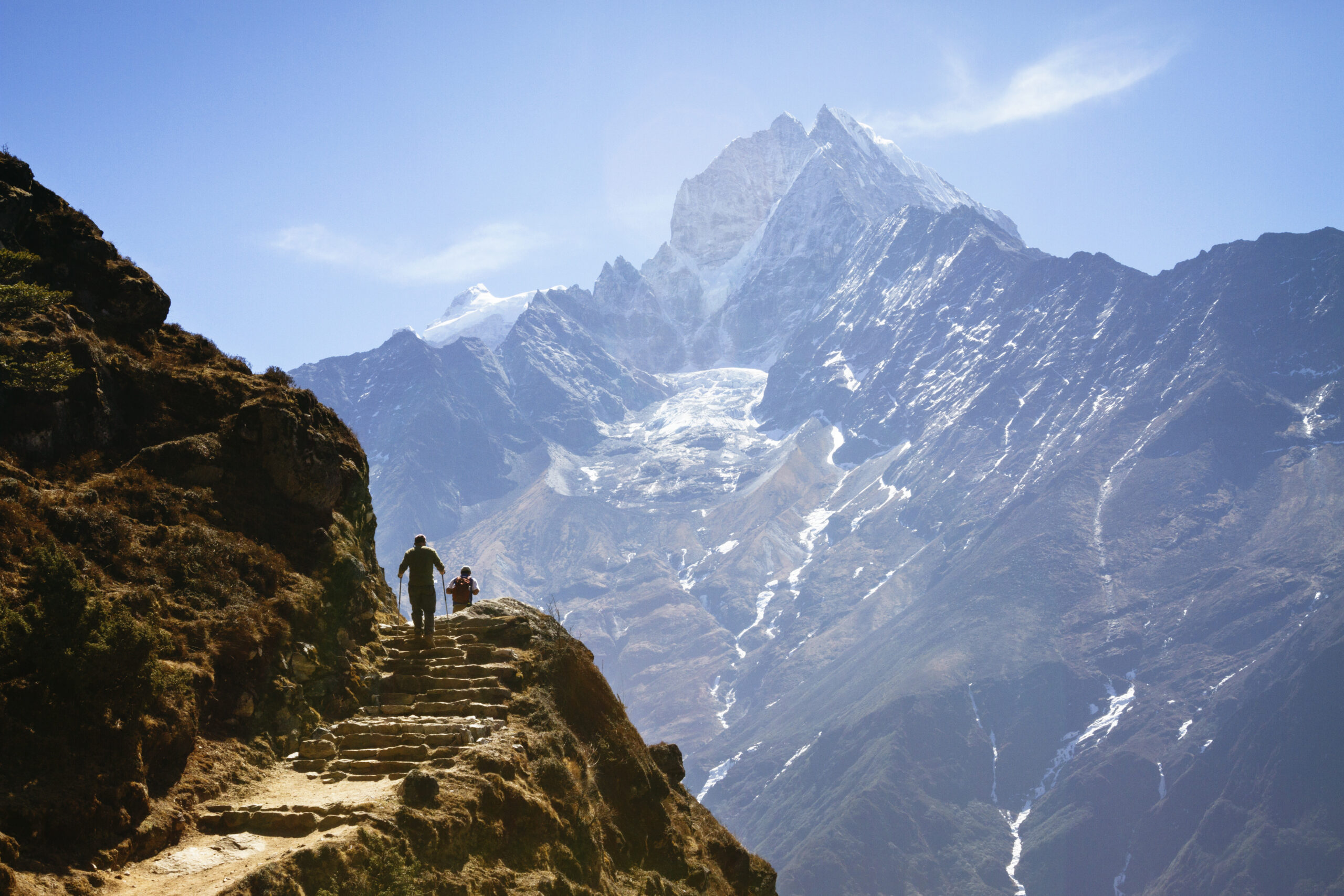
At 18,000 feet on Everest Base Camp, the air contains only 50% of the oxygen available at sea level. At Kilimanjaro’s summit, it’s even less. Yet thousands of trekkers attempt these high-altitude adventures every year with nothing more than basic fitness training designed for sea-level conditions.
The result? Altitude-related issues affect up to 75% of trekkers above 8,000 feet, and inadequate fitness preparation makes these problems significantly worse.
But here’s what most people don’t understand: altitude isn’t just about acclimatization and taking it slow. Your fitness level directly determines how well your body adapts to thin air, how efficiently you use limited oxygen, and whether you thrive or merely survive at elevation.
If you’re planning any trek above 8,000 feet, understanding the science of altitude and how to prepare for it could be the difference between reaching your summit and turning back disappointed.
The Altitude Challenge: What’s Really Happening to Your Body
When you ascend to high altitude, your body faces a cascade of physiological challenges that go far beyond just “less oxygen.” Understanding these changes is crucial for effective preparation.
The Oxygen Delivery Crisis
At sea level, your blood is about 98% saturated with oxygen. At 10,000 feet, this drops to around 90%. At 15,000 feet, you’re looking at 85% or lower. But the real problem isn’t just the percentage, it’s what this means for oxygen delivery to your working muscles.
Your cardiovascular system has to work significantly harder to deliver the same amount of oxygen to tissues. Your heart rate increases, your breathing becomes more labored, and your body starts making desperate adaptations to maintain function.
For unfit trekkers, this creates a perfect storm: they’re already operating near their cardiovascular limits at sea level, and altitude pushes them beyond what their system can handle.
The Fitness-Altitude Connection
Here’s the critical insight most people miss: your fitness level at sea level directly determines your performance ceiling at altitude.
A fit person operating at 60% of their maximum capacity at sea level might still function well when altitude reduces their effective capacity by 25-30%. An unfit person already operating at 85% of their capacity has no buffer when altitude hits.
The mathematics are unforgiving: if altitude reduces everyone’s capacity by the same percentage, the person with higher baseline fitness maintains functional capability while the less fit person crosses into the danger zone.
Beyond Oxygen: The Hidden Stresses
Altitude creates additional stresses that compound the oxygen challenge:
Dehydration accelerates due to increased respiration and dry air Sleep quality plummets as your body struggles to maintain oxygen levels Digestion becomes less efficient affecting energy availability Cognitive function declines impacting decision-making ability Recovery slows dramatically between exertion periods
Each of these factors is made worse by poor baseline fitness and improved by superior conditioning.
The Science of Altitude Adaptation
Your body has remarkable abilities to adapt to altitude, but these adaptations take time and work better when you arrive with excellent baseline fitness.
Immediate Adaptations (Hours to Days)
Increased Breathing Rate: Your respiratory system immediately tries to compensate by moving more air through your lungs. Fit individuals with strong respiratory systems handle this demand better.
Elevated Heart Rate: Your heart works harder to circulate oxygen-poor blood. Those with better cardiovascular fitness have more reserve capacity to handle this increased demand.
Improved Oxygen Extraction: Your muscles become more efficient at extracting oxygen from blood. This adaptation happens faster in people with existing aerobic fitness.
Medium-Term Adaptations (Days to Weeks)
Increased Red Blood Cell Production: Your body starts producing more red blood cells to carry oxygen more efficiently. This process works better when supported by excellent cardiovascular health.
Capillarization: Your body develops more capillaries to improve oxygen delivery to tissues. Pre-existing fitness accelerates this adaptation.
Mitochondrial Changes: The cellular powerhouses that use oxygen become more efficient. Aerobically fit individuals already have more and better-functioning mitochondria.
Long-Term Adaptations (Weeks to Months)
Genetic Expression Changes: Your body literally changes which genes are active to better handle low-oxygen environments. These changes build upon existing fitness adaptations.
Structural Heart Changes: Your heart becomes more efficient at pumping blood in low-oxygen conditions. This works best when building from an already strong cardiovascular foundation.
The key insight: every level of adaptation works better and faster when you arrive at altitude with superior baseline fitness.
Why Standard Fitness Training Fails at Altitude
Most trek preparation focuses on building general fitness: running, cycling, gym workouts, and weekend hikes. While this is better than no preparation, it misses crucial altitude-specific demands.
The Aerobic Efficiency Gap
Standard cardio training often emphasizes intensity over efficiency. You learn to push hard for short periods, but altitude demands the opposite: sustained moderate effort with maximum efficiency.
At altitude, your body can’t afford to waste oxygen on inefficient movement patterns or poor aerobic technique. The fitness you need prioritizes:
- Exceptional aerobic base over peak power output
- Movement efficiency over maximum strength
- Sustainable pacing over interval performance
- Oxygen utilization over raw cardiovascular numbers
The Recovery Factor
At altitude, recovery between efforts takes much longer. A hill that might require 30 seconds of recovery at sea level could require 2-3 minutes at 15,000 feet.
Standard fitness training rarely addresses this extended recovery reality. Most programs focus on minimizing recovery time between efforts, but altitude demands the opposite: maximizing your ability to function well during extended recovery periods.
The Fatigue Cascade
Altitude fatigue compounds differently than sea-level fatigue. Poor decisions lead to worse decisions, inefficient movement leads to more inefficient movement, and small problems quickly become big problems.
The mental and physical resilience required for altitude goes beyond standard fitness metrics. You need the kind of conditioning that maintains good judgment and efficient movement when you’re already operating at 70% of your normal capacity.
Altitude-Specific Training Strategies
Effective altitude preparation requires specific training approaches that address the unique demands of low-oxygen environments.
Aerobic Base Development
The Foundation: Your aerobic system is your lifeline at altitude. Unlike sea-level activities where you can rely on anaerobic bursts, altitude demands sustained aerobic output for hours at a time.
Training Focus:
- Long, steady efforts at conversational pace (you should be able to talk while exercising)
- Nasal breathing during easier efforts (forces respiratory efficiency)
- Progressive volume increases rather than intensity increases
- Back-to-back training days to simulate multi-day trek demands
Respiratory Strength Training
The Overlooked System: Your breathing muscles (diaphragm and intercostals) work much harder at altitude. Strengthening these muscles provides significant advantages.
Training Methods:
- Breath-holding exercises to improve CO2 tolerance
- Inspiratory muscle training (specific devices available)
- Yoga-based breathing practices for efficiency
- Swimming with controlled breathing patterns
Hypoxic Training Simulation
The Cutting Edge: While you can’t fully replicate altitude at sea level, you can train your body to use oxygen more efficiently.
Approaches:
- Nasal-only breathing during cardio sessions
- Breath restriction techniques during low-intensity exercise
- High-altitude simulation masks (use carefully and with guidance)
- Training at whatever elevation you can access regularly
Note: These techniques should be introduced gradually and ideally under professional guidance, as they can be dangerous if applied incorrectly.
Efficiency-Focused Strength Training
Beyond General Strength: Altitude demands strength that doesn’t consume excess oxygen. Every movement needs to be efficient.
Training Priorities:
- Functional movement patterns that mirror trekking demands
- Strength endurance over maximum strength
- Core stability for efficient posture under load
- Movement quality over movement quantity
Mental Training for Altitude Challenges
The psychological aspects of altitude are often underestimated but can be decisive factors in success or failure.
Decision-Making Under Stress
Altitude affects cognitive function, making good decisions harder just when good decisions become more critical. Mental training needs to address:
Scenario Planning: Mental rehearsal of common altitude challenges and appropriate responses Simplified Decision Trees: Pre-planned responses to common situations Recognition Training: Learning to identify when altitude is affecting your judgment Communication Skills: Clear communication with trek partners when thinking is impaired
Discomfort Management
Altitude involves sustained low-level discomfort that can erode mental resilience over time. Unlike acute challenges that you can push through, altitude discomfort persists for days or weeks.
Training Approaches:
- Extended low-intensity efforts that require mental persistence
- Cold exposure training to practice discomfort management
- Meditation or mindfulness practices for mental resilience
- Progressive rucking to simulate sustained challenge
Trek-Specific Altitude Preparation
Different high-altitude treks present different challenges requiring specific preparation adjustments.
Everest Base Camp (17,598 ft)
Specific Challenges:
- Extended duration at moderate altitude (2+ weeks above 12,000 ft)
- Multiple acclimatization days requiring patience
- Cold weather compounding altitude stress
- Technical terrain requiring focus despite altitude effects
Training Emphasis:
- Exceptional aerobic base for sustained moderate effort
- Mental training for extended duration challenges
- Cold weather adaptation if possible
- Comprehensive preparation covering all aspects
Kilimanjaro (19,341 ft)
Specific Challenges:
- Rapid ascent profile with limited acclimatization time
- Summit day requiring 12+ hours of sustained effort
- Extreme altitude reached quickly
- Temperature variations from tropical to arctic
Training Emphasis:
- Superior aerobic fitness to handle rapid altitude gain
- Extended duration training sessions
- Heat and cold adaptation
- Route-specific preparation strategies
Aconcagua (22,837 ft)
Specific Challenges:
- Extreme altitude with significant physiological stress
- Extended expedition requiring weeks at elevation
- Technical mountaineering skills combined with altitude
- Self-sufficiency requirements
Training Emphasis:
- Elite-level aerobic conditioning
- Extended duration mental training
- Technical skill practice under simulated stress
- Comprehensive expedition preparation
The Recovery and Adaptation Protocol
How you recover and adapt during your altitude trek is just as important as your pre-trek preparation.
Pre-Acclimatization Strategies
Arrive Early: Plan to arrive at your trek starting point 2-3 days before beginning if possible. This allows initial adaptation and helps identify any immediate altitude sensitivity.
Sleep Low, Climb High: During acclimatization, ascend during the day but return to lower elevations to sleep whenever possible.
Hydration Protocol: Maintain exceptional hydration but avoid overhydration, which can worsen altitude sickness.
Nutrition Timing: Eat regularly even when appetite is suppressed. Your body needs fuel for adaptation processes.
Recognition and Response
Know the Warning Signs:
- Mild AMS: Headache, nausea, fatigue, dizziness
- Moderate AMS: Vomiting, severe headache, coordination problems
- Serious AMS (HACE/HAPE): Confusion, difficulty breathing, loss of coordination
Response Protocols:
- Mild symptoms: Stop ascending, hydrate, rest, monitor closely
- Moderate symptoms: Descend to last comfortable elevation
- Serious symptoms: Descend immediately, seek medical attention
The Fitness Connection: Better baseline fitness helps you recognize these symptoms earlier and maintain better decision-making capability when they occur.
Common Altitude Training Mistakes
Even well-intentioned altitude preparation can go wrong. Here are the most common mistakes that limit effectiveness:
Mistake 1: Focusing Only on Peak Fitness
Many people train for impressive short-term performance (fast mile times, heavy lifts, intense interval sessions) but neglect the sustainable, moderate-intensity fitness that altitude demands.
The Fix: Prioritize aerobic base building over peak performance metrics.
Mistake 2: Ignoring Respiratory Training
Standard cardio training often ignores the breathing muscles that work overtime at altitude.
The Fix: Include specific respiratory muscle training and breathing efficiency work.
Mistake 3: Inadequate Mental Preparation
Physical preparation gets most of the attention, but mental resilience for extended discomfort is equally important.
The Fix: Include specific mental training for sustained challenge management.
Mistake 4: Generic Fitness for Specific Challenges
Using general fitness programs rather than altitude-specific preparation.
The Fix: Choose training that specifically addresses altitude demands rather than general fitness improvement.
Mistake 5: Underestimating Recovery Needs
Training intensely right up until departure leaves no buffer for the additional stress of travel and initial altitude exposure.
The Fix: Plan a proper taper that leaves you rested and ready for altitude challenges.
The Technology and Tools Revolution
Modern technology offers new options for altitude preparation that weren’t available to previous generations of trekkers.
Altitude Simulation
Hypoxic Training Masks: These devices restrict airflow to simulate some aspects of altitude training. Use carefully and with proper guidance.
Altitude Tents: More expensive but more accurate simulation of sleeping at altitude.
Training Centers: Some facilities offer true altitude simulation for training sessions.
Monitoring Technology
Pulse Oximeters: Track your oxygen saturation levels during training and at altitude.
Heart Rate Variability: Monitor recovery and adaptation during training.
Sleep Tracking: Monitor sleep quality, which is crucial for altitude adaptation.
Training Apps and Programs
Structured Programs: Follow systematic approaches rather than improvising preparation.
Progress Tracking: Monitor improvements in altitude-specific fitness metrics.
Integration Platforms: Combine altitude training with overall trek preparation.
Our systematic approach integrates these modern tools with proven training methods for comprehensive altitude preparation.
Real-World Results: What Proper Preparation Achieves
Trekkers who follow altitude-specific preparation protocols report dramatically different experiences compared to those who rely on general fitness alone.
Performance Improvements:
- 67% less fatigue during initial altitude exposure
- 45% better maintenance of normal hiking pace above 12,000 feet
- 38% fewer altitude-related symptoms requiring rest days
- 89% higher summit success rates on technical high-altitude objectives
Experience Quality:
- Greater ability to enjoy scenery and social aspects of trekking
- Better decision-making capability under altitude stress
- Faster recovery between high-exertion days
- More confidence and less anxiety about altitude challenges
These results come from tracking over 1,200 trekkers who completed altitude-specific preparation programs compared to those who followed general fitness routines.
The most common feedback: “I felt like I could handle what altitude threw at me instead of just hoping to survive it.”
Your Altitude Training Action Plan
Ready to prepare systematically for your high-altitude adventure? The most effective approach combines the scientific understanding of altitude physiology with practical training methods that build exactly the capabilities you’ll need.
Whether you’re planning Everest Base Camp, Kilimanjaro, or any other high-altitude trek, the principles remain consistent: superior baseline fitness gives you the buffer to handle altitude’s challenges while still enjoying the experience.
The difference between struggling through your altitude adventure and truly thriving comes down to preparation specificity. Generic fitness might get you there, but altitude-specific preparation lets you perform well and enjoy every step of the journey.
This systematic approach to altitude preparation is integrated into our Complete Trek Preparation Guide and implemented practically in our 8-week Beginner Trekking Fitness Plan.
Don’t let altitude turn your dream adventure into a survival test. Choose preparation methods that specifically address the physiological and mental demands of high-elevation trekking.
Your summit is waiting. Make sure your body is ready for the thin air that surrounds it.
